
Varicose Veins During Pregnancy
18 Sept 2026 · 3 min read
On this page9 sections
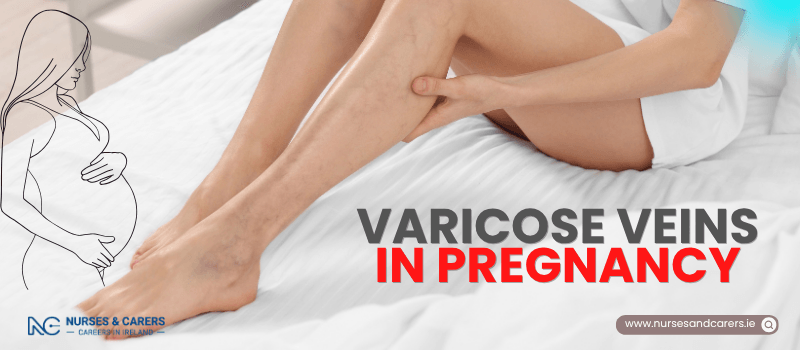
Varicose veins are swollen, enlarged, and often twisted veins that usually appear blue or dark purple on your legs and feet. During pregnancy, it is also possible to develop varicose veins in your vulva (the external genital area).
While they can be uncomfortable, varicose veins are not dangerous for you or your baby. It is always a good idea to mention them to your GP, midwife, or obstetrician at your next routine check-up.
Signs and Symptoms
If you develop varicose veins, you may experience:
Swelling in your feet, ankles, or lower legs
A heavy, aching, or tired sensation in your legs
Dry, thin, and intensely itchy skin directly over the affected veins
Sudden leg cramps, particularly during the night
Why Pregnancy Increases Your Risk
Your body undergoes massive circulatory and hormonal shifts during pregnancy that naturally strain your veins:
Increased Blood Volume: Your body produces extra blood to support your baby and placenta, which stretches your blood vessels.
Hormonal Changes: Pregnancy hormones naturally relax the walls of your blood vessels, making internal valves more prone to leaking.
Physical Pressure: As your womb expands, it physically presses against the main pelvic veins, slowing down blood return from your legs.
Who is Most at Risk?
Your risk is higher if you carry excess pre-pregnancy weight (a high BMI), work a job that requires prolonged sitting or standing, have a personal history of varicose veins, or have a family genetic history of the condition.
Self-Care and At-Home Management
While you cannot always prevent them, you can significantly reduce leg heaviness and swelling with proper daily management.
Do's:
Rest and Elevate: Rest as much as possible, sitting or lying down with your legs propped up on pillows above your heart.
Stay Active: Engage in low-impact circulation-boosting activities like walking or swimming.
Wear Loose Clothing: Choose comfortable, loose clothes—especially loose underwear, socks, and maternity trousers.
Use Compression Stockings: Purchase specialized maternity compression stockings from your pharmacist. Pull them on first thing in the morning before you get out of bed and before lower-leg swelling begins.
Perform Foot Exercises: Keep blood moving while resting with these quick movements:
Bend and stretch your foot up and down 30 times.
Rotate your foot in a circle 8 times one way, then 8 times the other way.
Repeat the entire process with your other foot.
Don'ts:
Do not stand completely still for long periods of time.
Do not sit with your legs crossed, as this physically pinches your circulation.
When to Seek Immediate Medical Help
While varicose veins themselves are harmless, they can occasionally mimic or overlap with more serious pregnancy complications.
Urgent Advice: Contact your GP or midwife immediately if you notice:
Signs of Deep Vein Thrombosis (DVT): One of your calf muscles becomes noticeably red, swollen, hot to the touch, or highly tender.
Signs of Pre-eclampsia: Sudden, severe leg swelling accompanied by a bad headache, blurred or flashing vision, or a sharp pain in your upper stomach.
What Happens After Birth?
The good news is that for most women, varicose veins naturally resolve or significantly shrink within 3 to 4 monthsafter giving birth once blood volume and hormone levels normalize. However, they are highly likely to return if you become pregnant again. If your veins persist or cause chronic pain after childbirth, speak to your GP about advanced treatment options.
Disclaimer
The information provided here is for educational and informational purposes only. It does not constitute medical advice, diagnosis, or treatment. Always consult a qualified healthcare professional or your GP for specific medical concerns, diagnoses, or health advice. Never disregard professional medical advice or delay seeking it because of information you have read here.