
Venous Leg Ulcer
18 Sept 2026 · 12 min read
On this page5 sections
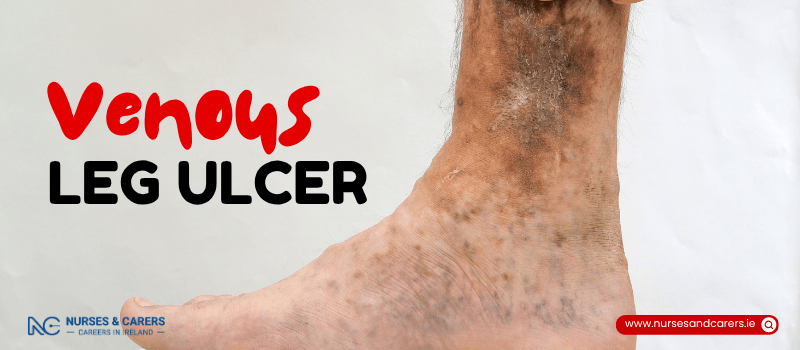
A venous leg ulcer is a chronic, long-lasting open sore that takes more than 2 weeks to heal, typically developing on the inside of the lower leg just above the ankle. They are the most common type of leg ulcer and require professional evaluation by a GP or specialist to ensure proper healing and rule out other underlying health conditions.
Symptoms
Symptoms of a venous leg ulcer extend beyond the open wound itself and frequently include:
Pain and itching in the affected leg
Swelling (oedema) around the leg or ankle
Skin changes, such as discoloured, darkened, or hardened skin surrounding the sore
Foul-smelling discharge leaking from the ulcer
Causes and Risk Factors
These ulcers occur when persistently high blood pressure in the leg veins damages the skin, often triggered by a minor injury. This high pressure is caused by underlying vein diseases—such as faulty valves (varicose veins) or inefficient blood flow following a Deep Vein Thrombosis (DVT).
Venous leg ulcers affect roughly 1 in 500 people in Ireland, and the risk increases drastically with age, impacting an estimated 1 in 50 people over the age of 80.
High-Risk Medical History | Mobility Issues Increasing Risk |
|---|---|
Previous Deep Vein Thrombosis (DVT) | Osteoarthritis |
Recent hip or knee replacement surgery | Leg injuries |
Varicose veins (enlarged or swollen veins) | Obesity or Paralysis |
Diagnosis and Treatment
If you suspect you have an ulcer, you should consult a healthcare provider. According to the HSE Venous Leg Ulcer Guide, a GP will examine your leg and may perform specialized vascular tests to confirm the diagnosis.
While a small percentage may take longer or fail to heal completely, most venous leg ulcers heal within 3 to 4 monthswhen managed with standard treatment protocols:
Wound Care: Regular cleaning and application of specialized dressings.
Compression Therapy: Utilizing compression bandages or stockings to lower vein pressure and improve blood flow back to the heart.
Medication: Antibiotics are prescribed only if the ulcer develops a bacterial infection; they do not speed up the healing of the ulcer itself.
The symptoms of a venous leg ulcer extend beyond the open sore itself, affecting the appearance, texture, and comfort of your lower leg. Because these ulcers rarely heal on their own, you should consult a GP if you experience any of the following signs.
Core Symptoms
The Ulcer: A chronic, open sore on the inside of your lower leg (just above the ankle) that takes longer than 2 weeks to heal.
Aching & Heaviness: A persistent, heavy feeling or throbbing ache throughout your legs.
Swelling (Oedema): Fluid retention that causes your ankles and lower legs to swell.
Varicose Veins: Visibly swollen, dark, or enlarged veins twisting beneath the skin.
Changes to the Skin and Leg Shape
Varicose Eczema: Red, flaky, scaly, and intensely itchy skin on your legs.
Discoloration & Shrinking: Darkening or brown discoloration of the skin, combined with a narrowing or "shrinking" of your lower calf.
Hardened Skin: Firm, tight, or woody skin surrounding the ulcer that makes your leg feel hard to the touch.
Standard Discharge: A baseline fluid or discharge leaking from the wound, which may carry an unpleasant odour.
⚠️ Signs of a Bacterial Infection
Venous leg ulcers are highly vulnerable to bacterial infections. Contact your GP immediately if you notice any of these worsening signs:
Increased Pain: A sudden or sharp escalation in pain and throbbing.
Altered Discharge: A distinct green or foul-smelling pus draining from the sore.
Spreading Redness: Expanding red, hot, or swollen skin surrounding the ulcer.
Fever: Developing a high temperature or feeling generally flu-like and unwell.
Causes
Venous leg ulcers are primarily caused by poor blood circulation in the lower limbs, which can cause even a minor scratch or knock to turn into a chronic, slow-healing wound. Understanding how blood flow impacts your skin can help you manage and lower your risks.
The Underlying Cause: High Vein Pressure
Healthy leg veins contain tiny, one-way valves that pump blood back up toward your heart. When these valves weaken or fail, blood flows backward and pools in your lower legs.
This pooling creates constant high pressure inside your leg veins. Over time, this pressure damages the tiny blood vessels supplying your skin, making the tissue fragile and prone to breaking open after a minor injury like a bump, scratch, or bug bite.
Key Factors That Increase Your Risk
Several medical conditions, lifestyle factors, and mobility constraints increase pressure in your leg veins and heighten your risk of developing an ulcer:
Varicose Veins: Swollen, twisted, and enlarged veins caused by malfunctioning vein valves.
Previous Deep Vein Thrombosis (DVT): Blood clots that form in the deep veins of the leg, which can permanently scar and damage internal valves.
Previous Leg Injuries: Past fractures or broken bones that impair your ability to walk or directly trigger a DVT.
Obesity or Being Overweight: Carrying excess body weight places structural pressure directly on your leg veins, hindering efficient blood return.
Increasing Age: Natural aging often makes moving around more difficult, reducing the "calf muscle pump" action that helps push blood back up to the heart.
Diagnosis
If you suspect you have a venous leg ulcer, you should consult your GP or practice nurse immediately. Because these ulcers rarely heal on their own, a professional diagnosis is essential to rule out other conditions and safely start specialist treatment.
Medical History & Physical Examination
Diagnosis is primarily based on your symptoms and a physical assessment. Your GP or practice nurse will examine your leg while you are both standing up and lying down to check for:
Varicose veins (which are more visible while standing)
Ankle swelling (oedema) and the pulses in your ankles
Skin changes, such as discoloration or hardened tissue around the ulcer (best viewed while lying down)
They will also review your medical history to identify underlying causes, specifically asking if you have ever had diabetes, a previous leg ulcer, Deep Vein Thrombosis (DVT), or any past leg injuries or surgeries.
Diagnostic Testing: The Doppler Study
If your healthcare provider cannot easily feel the pulses in your foot, they must evaluate your arterial blood flow before starting treatment.
They will perform a Doppler study (an ultrasound test that checks blood circulation).
This test may be carried out at your GP practice or your local hospital.
Why it matters: If your circulation is healthy, the nurse or GP can begin compression therapy straight away. However, if you have poor arterial circulation, standard compression therapy is unsafe and cannot be used.
When You Might Be Referred to a Vascular Specialist
Your GP may refer you to a vascular specialist (a doctor specializing in blood vessels) if they:
Are uncertain about your exact diagnosis.
Suspect your ulcer is caused by artery disease, diabetes, or rheumatoid arthritis rather than vein pressure alone.
Believe you require surgery to treat underlying varicose veins.
Treatment
With appropriate care, most venous leg ulcers heal within 3 to 4 months. Because applying compression is a highly skilled procedure, treatment must always be carried out by a trained healthcare professional, typically your practice nurse.
Core Treatment Protocol
Standard medical management for a venous leg ulcer relies on two main components:
Cleaning and Dressing: The nurse will clear away debris or dead tissue to provide optimal healing conditions. The wound is then covered with a simple, non-sticky dressing that is typically changed once a week.
Compression Therapy: A specialized nurse will apply a multi-layer firm compression bandage (using 2, 3, or 4 layers) or elastic stockings. This squeezes the leg to reduce swelling and push blood back up toward your heart. Bandages are changed 1 to 2 times a week.
⚠️ Managing Early Pain: Compression can feel painful at first. The pain usually eases within 10 to 12 daysas healing begins. Ask your GP to prescribe paracetamol or an alternative painkiller to help manage this initial discomfort.
Compression Bandage Emergency Guidelines
Wear your bandage exactly as instructed. If it feels tight or uncomfortable in bed at night, get up for a short walk to relieve the pressure.
Do not remove the bandage yourself for minor discomfort. However, you must cut the bandage off immediately and elevate your leg if you experience any of the following severe signs:
Severe pain at the front of your ankle
Severe pain on the top of your foot or toes
Toes that become visibly blue and swollen
Once removed, keep your leg elevated and contact your GP or nurse as soon as possible.
Managing Associated Symptoms
Venous leg ulcers often cause secondary skin and fluid issues that require targeted management:
Leg and Ankle Swelling (Oedema): Controlled primarily by your compression bandages. You can also reduce fluid buildup by staying active with a daily walk and elevating your leg when sitting so that your toes are above your hips.
Itchy Skin & Varicose Eczema: The nurse will apply plenty of moisturiser (emollient) during dressing changes. If you develop a scaly rash, a mild corticosteroid cream may be prescribed. If an allergic reaction to the dressing is suspected, you may need allergy testing. Do not scratch your legs, as skin damage can cause new ulcers.
Self-Care Lifestyle Adjustments
You can actively speed up your recovery and improve your circulation by adopting healthy daily habits:
Keep Moving: Walk regularly and avoid sitting or standing still for long periods without elevating your legs.
Ankle Exercises: Regularly move your feet up and down or rotate your ankles to boost blood flow.
Protect the Leg: Avoid accidental knocks or injuries, and always wear comfortable, well-fitting footwear.
General Health: If you are overweight, aim to manage your weight with a balanced diet. Stopping smoking and moderating alcohol intake will also directly help the ulcer heal faster.
Complications and Long-Term Prevention
Infections: If the ulcer becomes increasingly painful, produces heavy discharge, or shows surrounding redness, it may be infected. Your GP will prescribe a short course of antibiotics to cure the infection, though these do not heal the ulcer itself.
After-Ulcer Prevention: Once healed, there is a high risk that another ulcer could develop. To prevent recurrence, you must wear compression stockings at all times when out of bed. Your nurse will help find the right fit and can recommend accessories to make putting them on and taking them off easier.
Prevention
The most significant risk factor for developing a venous leg ulcer is having a history of previous leg ulcers. If you are at high risk, you can significantly lower the chances of an ulcer developing or returning by focusing on three key areas: compression, weight management, and vein treatment.
1. Compression Stockings
Once an ulcer heals, or if you are identified as high-risk, your GP will usually recommend wearing specialized compression stockings.
How They Work: They provide graduated pressure—being tightest at the ankle and loosening further up the leg—which prevents blood from pooling and encourages it to flow back toward your heart.
Daily Routine: To be fully effective, you must put your stockings on as soon as you get up in the morning and only take them off right before you go to bed.
Finding the Right Fit: A nurse will properly measure you to ensure a correct fit. Stockings come in various sizes, colours, styles, and pressure strengths. If your legs have severe scarring from previous ulcers, custom-made stockings can be ordered.
Application Help: If you struggle to pull them on, a nurse can recommend specialised handling accessories designed to make putting stockings on and taking them off much easier.
2. Weight Management and Movement
Carrying excess body weight directly creates high pressure in your leg veins, making your skin fragile and significantly increasing your ulcer risk.
Diet and Activity: Aim to manage your weight by eating a healthy, balanced diet and exercising regularly.
Positioning Your Legs: Avoid sitting or standing still for extended periods. Whenever you are resting, elevate your legs—ideally with your feet resting above your heart—to assist your circulation.
3. Treating Underlying Vein Problems
If you suffer from severe varicose veins, treating them directly can prevent chronic leg swelling and future ulcers. A vascular specialist may recommend:
Minimally Invasive Procedures: Utilizing endothermal ablation, where a thin catheter is inserted into the affected vein to seal it closed using high-frequency radio waves or lasers.
Vascular Surgery: Undergoing a surgical procedure to repair the damaged valves or remove the compromised veins entirely.
Disclaimer
The information provided here is for educational and informational purposes only. It does not constitute medical advice, diagnosis, or treatment. Always consult a qualified healthcare professional or your GP for specific medical concerns, diagnoses, or health advice. Never disregard professional medical advice or delay seeking it because of information you have read here.