
Warts and Verrucas
18 Sept 2026 · 2 min read
On this page5 sections
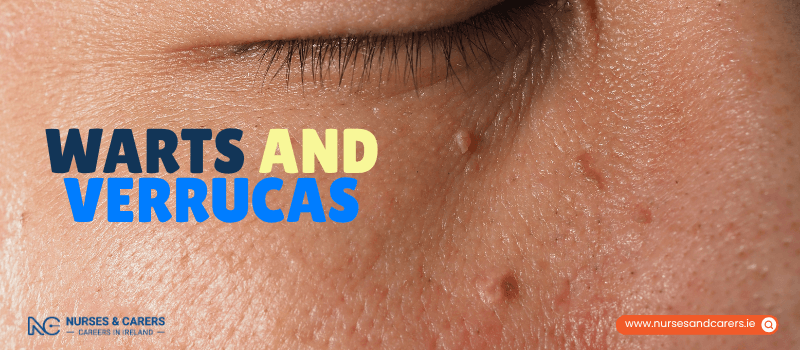
Warts and verrucas are small, harmless skin lumps caused by a virus. They can spread easily between people—especially among children—through direct skin contact or contaminated surfaces. While they eventually clear up on their own, the process can take months or even years.
How to Identify Types of Warts
Common Warts: Firm, rough, round, or oval lumps that can resemble a tiny cauliflower. They typically appear on the fingers, knuckles, palms, and knees. They may appear darker on brown or black skin.
Verrucas (Plantar Warts): Flat warts located on the soles of the feet. They often feature tiny black dots hidden under hard skin and can cause a sharp pain, similar to standing on a needle.
Plane Warts: Smooth, flat, round bumps that can be yellow, brown, or pink. They usually grow in large clusters on the face, hands, or legs.
Mosaic Warts: Widespread clusters of flat warts that group together over a larger area of skin, most commonly on the hands and feet.
Genital Warts: A common sexually transmitted infection (STI) passed through skin-to-skin genital contact, including vaginal, anal, or oral sex, and sharing sex toys. (Note: Condoms do not fully prevent them).
Prevention: Do's and Don'ts
Because the virus thrives on wet or damaged skin, use these practices to stop it from spreading:
Do:
Wash your hands immediately after touching a wart or verruca.
Change your socks daily if you have a verruca.
Cover the affected area with a waterproof plaster when swimming.
Take extra care not to cut or nick a wart while shaving.
Don't:
Share towels, face cloths, socks, or shoes with others.
Walk barefoot in communal or public spaces (like pools or locker rooms).
Bite your nails or suck fingers that have warts on them.
Scratch, pick, or cut at a wart.
Treatment Options
Warts are harmless, though they can sometimes be itchy or painful. If you choose to treat them, options include:
Salicylic Acid: Available at pharmacies as creams, plasters, or sprays. It works by gradually dissolving the dead skin layers over a period of up to 3 months. Warning: Never use salicylic acid treatments on your face.
Cryotherapy (Freezing): Performed by a GP, this method freezes the wart so it forms a scab and falls off a few weeks later. It may require multiple sessions.
When to Consult a Doctor
Speak to your GP or visit a specialized sexual health clinic if:
You are worried about an unknown skin growth.
A wart is located on your face or genitals.
The wart is exceptionally large, painful, or bleeds.
The lump changes color or increases in size.
Your warts keep returning despite treatment.
Disclaimer
The information provided here is for educational and informational purposes only. It does not constitute medical advice, diagnosis, or treatment. Always consult a qualified healthcare professional or your GP for specific medical concerns, diagnoses, or health advice. Never disregard professional medical advice or delay seeking it because of information you have read here.