
Watering Eyes
18 Sept 2026 · 2 min read
On this page6 sections
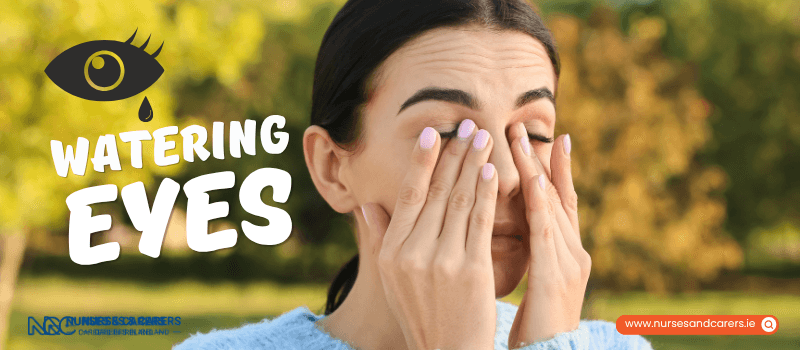
Watering eyes are a common issue that frequently resolves without intervention. However, if the tearing interferes with your daily activities, medical treatment or lifestyle adjustments may be necessary.
Common Causes
Your eyes can produce excess tears due to environmental factors, minor irritations, or underlying medical conditions:
Environmental Factors: Cold weather, high winds, or smoky air.
Irritation or Injury: An eyelash, grit, or a minor scratch on the eye.
Medical Conditions:
Allergies: Allergic reactions that cause irritation.
Infections: Conditions like conjunctivitis (pink eye).
Blocked Tear Ducts: Narrowed or obstructed tubes that prevent tears from draining properly.
Dry Eye Syndrome: Severe dryness that triggers an overproduction of tears as a reflex.
Eyelid Issues: Ectropion (the eyelid droops outward away from the eye) or Entropion (the eyelid turns inward).
Note: Babies frequently experience watery eyes due to small, developing tear ducts. This usually improves naturally by their first birthday.
Treatment and Pharmacy Support
If the watering is mild and not causing disruptions, you may not need any treatment. When treatment is required, it targets the specific cause:
Eye Drops: Used to hydrate dry eyes or clear up infections.
Allergy Medications: Antihistamines can soothe allergy-induced watering.
Foreign Object Removal: Rinsing out grit or removing stray eyelashes.
Minor Surgery: Required to repair structural eyelid issues or clear blocked tear ducts.
How a Pharmacist Can Help:
Consult a local pharmacist for immediate guidance. They can recommend over-the-counter eye washes, hydrating drops, or allergy medications, and advise you if your condition requires an optician or GP visit.
When to Seek Medical Advice
Contact a GP (Non-Urgent) If:
Continuous watering stops you from performing everyday activities.
Your eyelid droops outward or turns inward.
You notice any unusual lumps or swelling around your eyes.
Request an Urgent Appointment If:
Your eyes begin watering suddenly and do not stop.
You experience severe eye pain or soreness.
Your vision changes, including sudden blurriness or vision loss.
Your baby’s eyes become red, painful, swollen, or excessively watery.
If a GP cannot determine the root cause of the tearing, they may refer you to an ophthalmologist (eye specialist) for targeted testing.
Disclaimer
The information provided here is for educational and informational purposes only. It does not constitute medical advice, diagnosis, or treatment. Always consult a qualified healthcare professional or your GP for specific medical concerns, diagnoses, or health advice. Never disregard professional medical advice or delay seeking it because of information you have read here.