
Wisdom Tooth Removal
18 Sept 2026 · 7 min read
On this page14 sections
What Are Wisdom Teeth?
Wisdom teeth are the third set of adult molars located at the very back of the mouth. Most people have four wisdom teeth—one in each corner. They are the last teeth to emerge, typically appearing between the ages of 17 and 25.
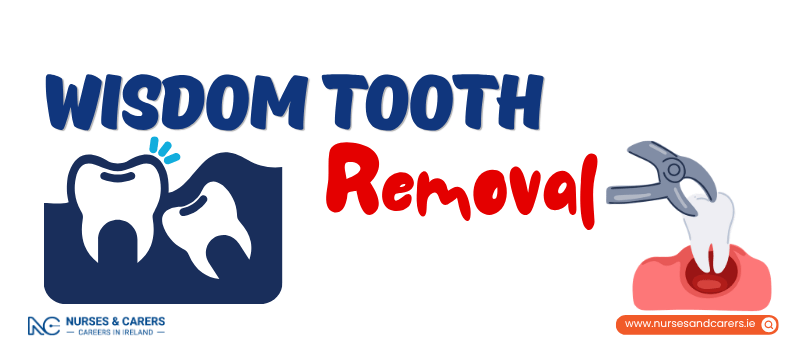
Because there is often limited space left in the mouth, wisdom teeth frequently grow in at an angle or only partially emerge. These are known as impacted wisdom teeth. If they remain completely hidden beneath the gums and are only visible on an X-ray, they are called unerupted.
Common Wisdom Teeth Problems
When wisdom teeth are impacted, food and bacteria easily become trapped around them, causing plaque to build up. While antiseptic mouthwashes and antibiotics can treat early issues, persistent problems may require extraction.
Untreated plaque buildup around wisdom teeth can lead to:
Tooth Decay: Cavities forming on the wisdom tooth or adjacent molars.
Gum Disease: Red, swollen, or bleeding gums (gingivitis or periodontal disease).
Pericoronitis: A painful bacterial infection of the soft gum tissue surrounding a partially emerged tooth.
Cellulitis: A bacterial skin infection that can spread into the cheek, tongue, or throat.
Abscesses: A painful collection of pus caused by a severe bacterial infection.
Cysts: Rare, fluid-filled sacs that can develop around unerupted wisdom teeth.
What to Expect at the Dentist
If you experience severe pain, do not wait for your routine check-up; contact your dentist right away.
Assessment: Your dentist will take an X-ray to examine the position of the teeth and the shape of their roots.
Referral: Depending on the complexity, you may be referred to a specialist oral surgeon.
Anesthesia Options: The procedure is performed under local anesthetic to completely numb the area, making the extraction painless. If you are anxious, a sedative can be provided. In complex cases, a general anestheticmay be used, requiring a brief hospital visit without an overnight stay.
The Extraction Procedure
The surgery can take anywhere from a few minutes to over 20 minutes, depending on how deeply the tooth is embedded:
Gaining Access: If the tooth is still under the gum, the dentist makes a small cut (incision) and may remove a tiny piece of covering bone.
Sectioning: The tooth might be divided into smaller pieces to make it easier to extract.
Removal: You will feel some physical pressure as the dentist rocks the tooth back and forth to widen the socket before lifting it out.
Immediate Post-Surgery Care
Once the tooth is removed, your dentist may use dissolvable stitches to close the gum. They will also place a gauze pad over the socket, instructing you to bite down firmly for up to an hour. This pressure helps a crucial blood clot form, which protects the socket and promotes healing.
Crucial Restrictions (First 24 Hours):
To avoid dislodging the blood clot, you must strictly avoid:
Rinsing your mouth out
Drinking alcohol or smoking
Consuming hot liquids (like tea, coffee, or hot soup)
Strenuous physical activity or heavy lifting
After 24 hours have passed, you can begin gently rinsing your mouth following the specific instructions provided by your dentist.
Recovering from a wisdom tooth removal typically takes up to 2 weeks. Because wisdom teeth are located at the back of the mouth, their extraction can sometimes be complex, but following proper aftercare will help ensure smooth healing.
Common Post-Surgery Symptoms
After the local anaesthetic wears off, it is normal to experience:
Pain and stiffness: A stiff, sore jaw is common. The skin around your jaw may be bruised for up to 2 weeks. Pain may be more intense if the extraction was complicated.
Swelling: Swelling of the mouth and cheeks is standard. Applying a cold cloth to your face can help reduce it.
Taste and sensation: You may notice an unpleasant taste in your mouth. Rarely, temporary tingling or numbness may occur in your face, lips, or tongue.
When to Contact Your Dentist Immediately
Reach out to your dental professional right away if you experience:
Heavy bleeding that does not stop
Severe, unmanageable pain
Unusual symptoms, such as lasting stiffness in your jaw muscles
Daily Care & Recovery Dos and Don'ts
What to Do (Dos) | What to Avoid (Don'ts) |
|---|---|
Manage pain: Use painkillers recommended by your dentist, following professional guidance for safe use | No rinsing or spitting (First 24 hours): Avoid rinsing, spitting, or drinking hot liquids, as this can dislodge the healing blood clot [NHS wisdom tooth removal aftercare]. |
Eat soft foods: Stick to liquid or soft foods for a few days, and chew on the opposite side of your mouth | No strenuous activity: Avoid high-effort exercise and heavy physical activity for a few days |
Elevate your head: Use an extra pillow to support your head at night | No alcohol or smoking: Avoid these entirely, as they significantly delay the healing process |
Gentle rinsing (After 24 hours): After the first day, gently rinse your mouth after meals using warm salty water or an antiseptic mouthwash recommended by your dentist |
Working, Driving, and Returning to Normal
Work: Your dentist may recommend taking 1 to 2 days off work to rest [NHS wisdom tooth removal aftercare].
Driving: You can drive immediately after a local anaesthetic. However, do not drive for 24 hours if you received a sedative, and do not drive for 48 hours if you had a general anaesthetic [NHS wisdom tooth removal aftercare].
Oral hygiene: You can usually resume brushing your teeth normally after a few days.
Medications: If you are prescribed antibiotics, ensure you follow the instructions and finish the course.
Follow-up: You may have a check-up about a week after surgery. If non-dissolvable stitches were used, your dentist will remove them at this time.
Potential Risks & Complications
1. Infection
Signs to watch for: A yellow or white discharge at the surgical site, a high temperature (38°C / 100.4°F or above), and worsening pain or swelling
2. Dry Socket
This occurs 3 to 5 days after surgery if a blood clot fails to develop or becomes dislodged, exposing the underlying bone [NHS wisdom tooth removal aftercare].
Symptoms: Intense, throbbing pain in the jaw or gum, an unpleasant smell or taste, and visible exposed bone in the empty socket
Risk factors: Smoking, ignoring aftercare instructions, being over the age of 25, a complicated extraction, or a history of dry socket
Treatment: Visit your dentist. They can flush out debris, apply a medicated dressing, and prescribe antibiotics if an infection is present
3. Nerve Injury
Injury to the nerve running underneath the molar teeth is rare [NHS wisdom tooth removal aftercare].
Symptoms: Pain, tingling, or numbness in the tongue, lower lip, chin, teeth, and gums
Duration: It makes eating and drinking painful and difficult. While usually temporary (lasting a few weeks or months), severe damage can occasionally make these symptoms permanent
Disclaimer
The information provided here is for educational and informational purposes only. It does not constitute medical advice, diagnosis, or treatment. Always consult a qualified healthcare professional or your GP for specific medical concerns, diagnoses, or health advice. Never disregard professional medical advice or delay seeking it because of information you have read here.