
Eczema
9 Sept 2026 · 11 min read
On this page34 sections
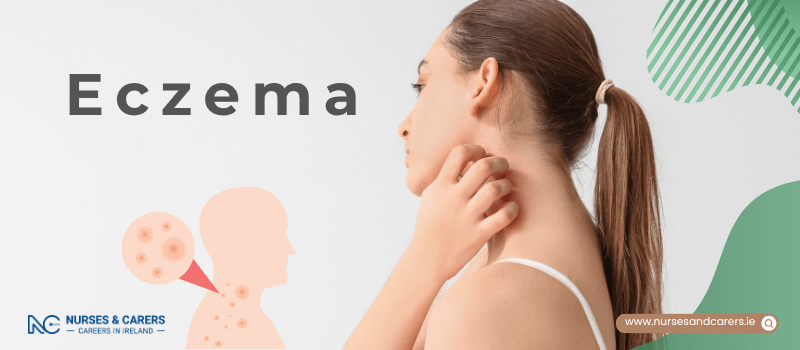
Eczema describes a group of chronic skin conditions that cause areas of the skin to become dry, itchy, inflamed, and irritated. It can affect people at any stage of life—including babies, children, and adults—and can develop for the first time in older age.
Key Symptoms of Eczema
Eczema presentation varies by individual, but the primary symptoms include:
Dryness: Areas of skin that feel rough, parched, or scaly.
Inflammation: Skin that looks visibly irritated, swollen, or changes color.
Intense Itching: A persistent sensation that can range from a mild, occasional nuisance to a constant, severe disturbance.
Common Locations
Eczema can manifest anywhere on the body. However, it most frequently develops on the hands and fingers, the insides of the elbows, the backs of the knees, the face, and the scalp.
Skin Color Changes
After a flare-up resolves, the affected skin may temporarily change color. This post-inflammatory pigment change is particularly common in black or brown skin, turning the area temporarily darker or lighter. The skin will eventually return to its natural tone over time.
Eczema Cycles and Complications
Flare-ups
Eczema is unpredictable. Symptoms may clear up entirely for a period, only to return or worsen during a "flare-up." Some individuals experience these flare-ups as often as two to three times a month.
The Itch-Scratch Cycle
Scratching itchy skin provides temporary relief but ultimately damages the skin barrier. This triggers a destructive cycle where scratching:
Worsens the underlying itchiness.
Causes the skin to bleed and crack.
Increases the risk of secondary infections.
Disruptes sleep quality and daytime concentration.
Recognizing a Skin Infection
Damaged skin is highly vulnerable to bacteria. Seek medical advice from your GP as soon as possible if you notice these signs of infection:
Eczema symptoms rapidly worsening.
Clear or yellowish fluid oozing from the skin.
A yellow crust forming over the eczema patches.
Small, yellowish-white spots or pus-filled bumps.
Swelling, heat, tenderness, or a fever.
🚨 Urgent Warning (Eczema Herpeticum): Request an emergency GP appointment or go to the nearest hospital immediately if your eczema becomes rapidly painful, breaks out into clusters of fluid-filled blisters that burst into shallow open sores, or if you experience a high fever and shivers. This indicates a serious viral complication called eczema herpeticum, which requires immediate treatment with the antiviral medication aciclovir.
Common Types of Eczema
Atopic Eczema (Dermatitis): The most prevalent type, affecting 2 in 10 children and 1 in 10 adults. It frequently runs in families alongside related conditions like asthma and hay fever.
Discoid Eczema (Nummular): Characterized by distinct, coin-shaped circular or oval patches of dry, inflamed skin.
Contact Dermatitis: An inflammatory reaction triggered directly by the skin coming into contact with a specific allergen or irritant.
Varicose Eczema (Stasis): Most common in adults over 65, this affects the lower legs and is caused by poor blood circulation through the leg veins.
Dyshidrotic Eczema (Pompholyx): Causes intense itching followed by the eruption of tiny, fluid-filled blisters across the palms of the hands and the sides of the fingers.
How Eczema is Diagnosed
There is no specific laboratory or blood test to detect this condition. A General Practitioner (GP) can reliably diagnose eczema simply by performing a visual examination of your skin and discussing your symptom history.
If you would like to expand this medical guide, let me know if I should rewrite the Causes and Triggers or the Treatment and Management sections next.
Treatments
While there is currently no cure for eczema, highly effective treatments exist to manage symptoms and soothe irritation. In children, symptoms frequently improve or clear completely as they grow older.
For initial guidance, a pharmacist can recommend appropriate over-the-counter options. If your symptoms fail to improve, your General Practitioner (GP) can provide stronger prescription therapies and clarify which medications are covered under public health programs like the Medical Card or Drugs Payment Scheme.
Core Daily Treatments
1. Emollients and Soap Substitutes
Emollients are intensive moisturizers available as creams, ointments, lotions, or sprays. They establish a protective film over the skin barrier, trapping moisture and shielding against irritants.
Daily Routine: Must be applied every single day—even when skin looks clear—to prevent extreme dryness.
During Flare-Ups: Increase the volume and frequency of application.
Hygiene: Standard commercial soaps strip the skin of natural oils. Replace them entirely with emollient washes or dedicated soap substitutes.
2. Topical Corticosteroids (Steroid Ointments)
When skin becomes actively sore and inflamed, a GP will prescribe a topical steroid to rapidly calm the inflammation within a few days.
Strengths: These range from very mild (hydrocortisone) to moderate (clobetasone butyrate) and strong (mometasone).
Usage: Doctors prescribe the lowest effective strength for the shortest time required. Consult your GP for a safety and application review if you find yourself relying on them long-term.
3. Topical Tacrolimus Ointment
Prescribed primarily by dermatologists for atopic eczema, tacrolimus is a non-steroidal ointment that works exceptionally well on sensitive areas like the face and neck. It is approved for adults and children aged 2 and older.
Application: Apply a thin layer exactly one hour after using your daily emollient.
Initial Reactions: Mild burning, stinging, redness, warmth, or skin tingling are common but typically resolve within the first week of use. Avoid drinking alcohol, as it can trigger facial flushing and skin irritation.
Safety Precautions:
☀️ Sun Safety: It increases sun sensitivity; always wear sunscreen. Avoid sunbeds and UV phototherapy.
🩺 Infection Watch: Contact your dermatologist immediately if you notice skin crusting or fluid-filled blisters.
🔥 Fire Hazard: Tacrolimus contains paraffin. Keep away from open flames and do not smoke near the product, as it is highly flammable.
Supplemental Treatments
Antihistamines
Medicines used to curb intense itching, broken into two categories:
Non-Drowsy: Suggested for severe daytime itching.
Drowsy (Sedating): Prescribed if nighttime itching is disrupting your sleep. Note: Drowsiness can persist into the next day. Inform your child's school if they are taking these at night.
Medicated Bandages and Wet Wraps
Specialized clothing, suits, or bandages can be applied directly over emollients or topical steroids. They lock in moisture, facilitate deep healing, and physically prevent the user from scratching the skin.
Oral Steroid Tablets
Corticosteroid tablets are reserved strictly for short-term control of severe, debilitating flare-ups due to potential systemic side effects.
Advanced Specialist Interventions
If your diagnosis is uncertain, standard treatments fail, or the condition severely impacts your quality of life, your GP will refer you to a Dermatologist (Skin Specialist).
A specialist can offer advanced therapeutic paths, including:
Allergy Patch Testing: Testing the skin's reaction to common triggers like nickel, fragrances, or specific chemicals.
Phototherapy: Controlled exposure to medical-grade ultraviolet (UV) light to lower deep-tissue inflammation.
Systemic Immunosuppressants: Oral medications (such as azathioprine, ciclosporin, or methotrexate) that quiet an overactive immune response.
Biologics & JAK Inhibitors: Advanced targeted therapies (like dupilumab injections or JAK inhibitor tablets) designed for moderate-to-severe eczema when other drugs fail.
Holistic Support: Guided application training or direct referrals for psychological counseling to manage the emotional impact of chronic skin disease.
⚠️ A Note on Complementary Therapies: There is minimal scientific evidence proving that herbal or alternative remedies cure or improve eczema. Always consult your GP before introducing any alternative therapies, and never discontinue your prescribed medical treatments without professional guidance.
Managing eczema
Managing eczema involves balancing medical treatments with daily self-care habits. Because eczema can fluctuate unexpectedly, establishing practical routines will help soothe your symptoms, protect your skin barrier, and prevent painful flare-ups.
Breaking the Itch-Scratch Cycle
Eczema causes intense itching, which often leads to habitual or unconscious scratching. However, scratching creates a destructive cycle that severely damages the skin.
The Impact of Scratching
Worsens Inflammation: Scratching actively triggers more severe eczema patches.
Changes Skin Texture: Long-term scratching causes the skin to become thick, rough, and leathery.
Increases Infection Risks: Deep scratching breaks the skin, causing bleeding, scarring, and a high risk of bacterial infections.
How to Minimize Skin Damage
Modify the Action: Gently rub or tap the itchy area with the pads of your fingers instead of digging in with your nails.
Protect Babies: Use anti-scratch mittens on infants to prevent them from damaging their delicate facial skin.
Barrier Clothing: Wear lightweight, breathable clothing to keep the skin covered and less accessible to scratching.
Nail Hygiene: Keep your fingernails trimmed very short and clean to minimize damage if you do scratch.
Identifying and Avoiding Triggers
Work closely with your General Practitioner (GP) to track and identify the specific environmental, dietary, or chemical factors that spark your flare-ups. Once you pinpoint these triggers, adapt your lifestyle to avoid them as much as possible to keep your skin stable.
Prioritizing Mental Health and Emotional Well-being
Living with a chronic, visible skin condition can take a significant emotional toll. It is highly common to experience feelings of stress, anxiety, or low self-esteem regarding the appearance of your skin. If left unaddressed, isolation and worry can transition into depression.
Seek Professional Support: Do not hesitate to discuss the emotional impact of eczema with your GP or dermatologist. They can prescribe supportive medications or refer you to a professional counselor.
Connect with Peer Networks: Joining online message boards or local eczema support groups allows you to connect with others facing similar challenges. Sharing experiences and practical lifestyle tips can combat isolation and improve your self-image.
Cause of eczema
The exact cause of eczema is not fully known, but it is widely understood to be triggered by a combination of genetic traits and environmental factors. It is a non-infectious condition, meaning it cannot be passed to another person through close physical contact.
Core Causes of Eczema
Genetics: A primary factor in developing atopic eczema is family history. If a parent or sibling has eczema, asthma, or hay fever, you possess a significantly higher genetic likelihood of developing the condition.
Impaired Skin Barrier: Individuals with eczema have a compromised skin barrier that cannot effectively retain moisture. This chronic dryness leaves the skin highly vulnerable to environmental irritants, resulting in color changes and intense itching.
Common Eczema Triggers
While triggers do not cause eczema directly, they can severely aggravate symptoms and provoke flare-ups. Identifying and managing these specific factors is a crucial part of daily care.
1. Chemical Irritants
Products: Standard commercial soaps, laundry detergents, shampoos, dishwashing liquids, bubble baths, and conventional shower gels.
Solution: Replace these products entirely with emollient washes and fragrance-free soap substitutes.
2. Environmental Allergens
Triggers: House dust mites, pet dander, pollen, and molds.
Management: Keep living spaces well-ventilated, minimize indoor pet access if sensitive, and maintain a clean environment to reduce dust.
3. Fabrics and Clothing
Triggers: Wearing coarse or synthetic materials like wool, polyester, or rough fabrics directly against the skin.
Solution: Opt for soft, loose, fine-weave clothing made from natural fibers like 100% cotton.
4. Weather and Climate
Triggers: Cold, dry winter air, extreme dampness, or sudden changes in temperature.
Management: Protect skin during seasonal changes by increasing emollient application.
5. Hormonal Shifts
Triggers: Hormonal fluctuations in women, particularly during pregnancy or immediately before a menstrual period.
Factors That Worsen Symptoms
Your eczema may become more aggressive under specific physical or emotional conditions:
Dry or Dusty Air: Strips the skin of surface moisture and introduces micro-irritants.
Emotional Stress: Triggers inflammatory responses in the body that manifest directly on the skin.
Excessive Heat and Sweat: Overheating causes immediate itching. Keep indoor spaces—especially bedrooms—cool to prevent night-time scratching.
⚠️ Important Note on Food Allergies: While individuals with eczema are statistically more likely to have associated food allergies, dietary factors rarely cause eczema flare-ups directly. Never restrict or eliminate major food groups from your or your child's diet without consulting a GP or registered dietitian first.
Disclaimer
The information provided here is for educational and informational purposes only. It does not constitute medical advice, diagnosis, or treatment. Always consult a qualified healthcare professional or your GP for specific medical concerns, diagnoses, or health advice. Never disregard professional medical advice or delay seeking it because of information you have read here.