
Itchy Skin (Pruritus)
12 Sept 2026 · 3 min read
On this page7 sections
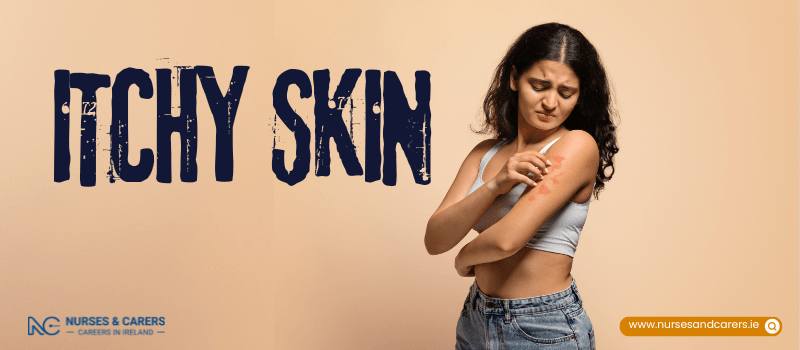
Itchy skin is a very common issue that is rarely a sign of a serious medical condition. In many instances, it is caused by dry, cracked, or mildly irritated skin and resolves within a few weeks using basic self-care. Itching is also frequently triggered by natural hormonal fluctuations during pregnancy and after the menopause, which typically stabilize over time.
Evidence-Based Self-Care and Skin Protection
When skin becomes itchy, scratching can damage the skin barrier, introduce bacteria, and cause a secondary infection. Implementing targeted habits can break the "itch-scratch" cycle and soothe the skin:
Do: Gently pat or tap the skin instead of scratching it when you feel an itch.
Do: Apply a cool, damp towel or a wrapped ice pack to the affected area to numb the nerve endings.
Do: Apply unperfumed moisturizers or emollients regularly throughout the day to lock in moisture.
Do: Use a targeted medicated shampoo, such as an anti-dandruff formulation, if the itching is isolated to your scalp.
Do: Keep your fingernails trimmed short, clean, and smooth to minimize accidental skin damage.
Do: Wear loose-fitting, breathable cotton clothing.
Do: Switch to hypoallergenic laundry liquids or powders designed specifically for sensitive skin.
Don't: Avoid taking very hot baths or showers, which strip away the skin's natural protective oils.
Don't: Do not spend a prolonged period soaking in the bath or shower; keep them brief.
Don't: Avoid wearing tight-fitting clothes or garments made from coarse wool or irritating synthetic fabrics.
Don't: Do not use perfumed soaps, heavily scented deodorants, or artificially fragranced body lotions.
How a Pharmacist Can Help
A community pharmacist can evaluate the appearance and location of your itchy skin to recommend over-the-counter treatments:
Emollient Creams and Lotions: Formulations designed to restore moisture to severely dry skin.
Calamine or Soothing Lotions: Topical applications that provide an immediate cooling effect.
Oral Antihistamines: Over-the-counter allergy medications that can block the histamine response responsible for hives and allergic reactions.
Identifying Potential Underlying Causes
Itchy skin can stem from a wide range of external and internal factors. Common causes include:
Fungal Infections: Superficial infections such as ringworm, athlete's foot, or thrush.
Infestations: Microscopic parasites or insects living on the body, including scabies, head lice, or pubic lice.
Chronic Skin Conditions: Inflammatory disorders like eczema, psoriasis, or severe dandruff.
Allergen Triggers: Environmental allergies, hives (urticaria), or heat rashes (prickly heat).
Systemic Issues: In rare cases, persistent itching across the whole body can be a secondary indicator of internal organ issues, such as thyroid malfunctions, liver disease, or kidney problems.
Note: Avoid self-diagnosis. If your symptoms are persistent or unclear, professional evaluation is required.
When to Consult a GP
Schedule a standard appointment with your GP if your itchy skin:
Fails to improve after a few weeks of consistent self-care, or continually returns.
Is accompanied by a new, unexplained rash, hard lump, or localized swelling.
Is widespread across your entire body rather than isolated to one specific area.
What to Expect at a GP Appointment
To identify the root cause of your pruritus, your GP will examine your skin and review your medical history. Depending on their initial findings, they may:
Order a comprehensive blood test to evaluate your thyroid, liver, and kidney function.
Take a surface swab by wiping a sterile cotton bud over the skin to check for bacterial or viral infections.
Perform a gentle skin scraping to collect surface cells for laboratory analysis to rule out fungal infections.
Refer you to a dermatologist (a specialist skin doctor) for advanced diagnostic testing and prescription management if the condition is severe or unresponsive to standard treatments.
Disclaimer
The information provided here is for educational and informational purposes only. It does not constitute medical advice, diagnosis, or treatment. Always consult a qualified healthcare professional or your GP for specific medical concerns, diagnoses, or health advice. Never disregard professional medical advice or delay seeking it because of information you have read here.