
Hives
11 Sept 2026 · 3 min read
On this page6 sections
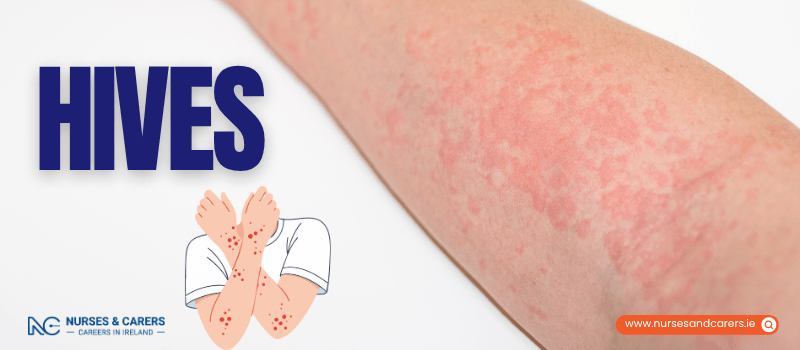
Hives (also known as urticaria) are raised, intensely itchy bumps or patches that appear on the skin as a rash. They can develop anywhere on the body in both adults and children, lasting from a few minutes to several days. While hives can often be safely managed at home, they can occasionally indicate a serious allergic reaction.
Identifying Hives on Different Skin Tones
The appearance of hives varies depending on skin color, but the texture remains consistently raised and swollen:
On White Skin: The rash typically appears as pink or red raised bumps (wheals) or larger patches. The spots may cluster together or remain scattered, and the surrounding skin often looks flushed.
On Light Brown to Dark Brown Skin: The bumps or patches are frequently skin-colored or slightly lighter than the surrounding skin, often looking puffy like blisters. The border or the skin immediately surrounding the rash may turn a darker shade of brown or pink.
Regardless of skin tone, hives are usually intensely itchy and can sometimes cause a stinging or burning sensation.
Pharmacy Guidance and Self-Care
A pharmacist is often your first line of support for hives. They can recommend over-the-counter antihistamine tablets to reduce swelling and ease the itch.
Before taking or purchasing an antihistamine, always inform your pharmacist if you:
Manage a long-term health condition.
Take other daily medications, as some drugs interact negatively with antihistamines.
Are treating a child under the age of 2, as many over-the-counter antihistamines are unsuitable for toddlers without direct medical supervision.
Common Triggers
Hives occur when a specific trigger causes the body to release high levels of histamine and other chemicals into the skin. Common environmental, physical, and emotional triggers include:
Allergens: Specific foods, pollen, plants, dust mites, latex, and insect bites or stings.
Physical Stimuli: Exposure to heat, sunlight, water, or physical exercise. If heat is a trigger, try wearing loose, lightweight clothing and keeping your sleeping environment cool.
Medical Factors: Viral or bacterial infections, or adverse reactions to specific medications.
Stress: High levels of emotional stress can actively cause or worsen an outbreak.
When to Consult a GP
Most cases of hives clear up quickly. However, you should arrange a non-urgent consultation with your GP if:
Your symptoms fail to improve after 2 days of home treatment.
The rash continues to spread rapidly or keeps recurring over time (indicating a potential hidden allergy).
You develop a high temperature of 38°C or above and feel generally unwell.
You experience swelling deep beneath the skin's surface, which may be a sign of angioedema (a condition often linked to allergic reactions).
You are increasingly worried about a child's hives.
If standard treatments fail, your GP may prescribe short-term oral corticosteroids, soothing menthol creams, or stronger prescription antihistamines. For chronic cases, they may refer you to a skin specialist (dermatologist).
🚨 Emergency Symptoms (Anaphylaxis Warning)
Hives can sometimes accompany a systemic, life-threatening allergic reaction known as anaphylactic shock.
Call 999 or 112, or go to the nearest Emergency Department immediately if you or your child experience hives alongside:
Difficulty breathing, wheezing, or shortness of breath.
Difficulty swallowing or speaking.
Sudden dizziness, lightheadedness, or fainting.
Feeling acutely sick or vomiting.
A rapid, pounding heart rate.
Rapid, severe swelling of the face, lips, tongue, mouth, or throat.
Disclaimer
The information provided here is for educational and informational purposes only. It does not constitute medical advice, diagnosis, or treatment. Always consult a qualified healthcare professional or your GP for specific medical concerns, diagnoses, or health advice. Never disregard professional medical advice or delay seeking it because of information you have read here.