
Scabies
17 Sept 2026 · 4 min read
On this page9 sections
Scabies is a common, highly contagious skin condition caused by microscopic mites that burrow into the upper layer of the skin to live and lay eggs. Anyone can contract scabies regardless of personal hygiene, and it cannot be caught from pets. While it is not usually a serious medical condition, it spreads rapidly through close skin-to-skin or sexual contact and requires correct, prompt treatment.
Symptom Identification
Symptoms can take up to 6 weeks to surface after initial exposure. Watch for the following signs:
Intense Itching: The primary symptom, which characteristically becomes significantly worse at night.
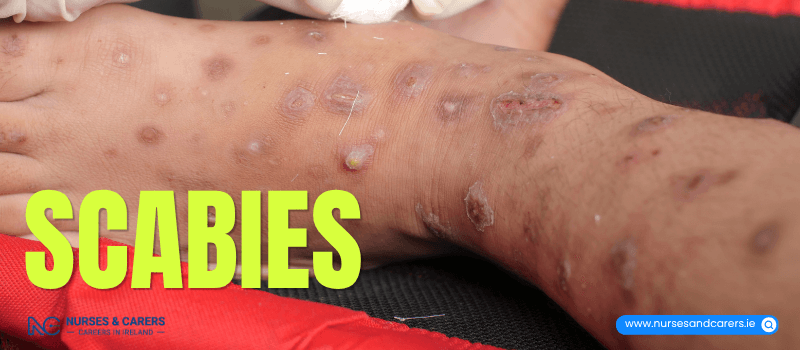
Burrow Lines: Small, raised lines on the skin surface with tiny dots at either end where the mites have burrowed.
The Rash: Bumps or raised spots that commonly develop around the hands, fingers, wrists, legs, buttocks, feet, and genitals.
Skin Tone Differences: The rash typically looks red on white skin. On black or brown skin, the redness is harder to see, but the bumps can be felt easily and may leave dark spots behind.
Distribution: The rash usually spreads across the entire body but typically spares the head and neck. However, the head and neck can be affected in infants, the elderly, and immunocompromised individuals.
Treatment and Quarantine Rules
Consult a pharmacist first. They can provide effective over-the-counter antiparasitic creams or lotions. For the treatment to succeed, you must strictly follow these rules:
Application: Apply the cream or lotion from the ears downward (or over the entire body, including the head, for young children and the elderly). Read the packaging instructions carefully.
The Two-Dose Rule: The entire treatment process must be repeated exactly 1 week later to kill any newly hatched mites.
Isolation: Stay home, avoid all visitors, and eliminate close physical contact with others for a full 24 hours after applying the very first treatment dose. You or your child can return to work or school after this 24-hour window.
Managing Contacts: Everyone living in your household must be treated at the same time, even if they have zero symptoms. Any sexual partners from the past 6 weeks must also be treated concurrently. All contacts must repeat their dose 1 week later.
Managing the Itch: Mites die quickly after application, but the allergic itch can persist for up to 4 weeks. You can use over-the-counter calamine lotion, emollients, or antihistamines for relief. If the itching is intolerable, a GP can prescribe stronger creams.
Decontamination Guidelines
Do's | Don'ts |
|---|---|
Wash all bedding and clothes on the first day of treatment at a minimum of 50°C. | Do not engage in sexual contact or close physical proximity until the full 2-week course is done. |
Tumble dry items at 50°C for at least 30 minutes if they cannot be washed. | Do not share towels, sheets, pillows, or clothing with anyone else. |
Seal unwashable items (shoes, soft toys, hats) in an airtight bag for 4 days. | Do not allow babies to suck treatment off their hands; protect them with mittens or socks. |
Vacuum mattresses and sofas that have been in direct contact with infected skin. | Do not scratch the rash, as breaking the skin introduces bacteria and causes secondary infections. |
Potential Complications
Secondary Infections: Chronic scratching can break the skin barrier, leading to bacterial infections like impetigo.
Condition Flare-ups: Scabies can severely aggravate pre-existing skin conditions like eczema or psoriasis.
Crusted Scabies: A rare, severe form of the condition characterized by flaky, crusted skin housing thousands of mites. This requires specialized medical care and typically affects older individuals or those with a weakened immune system.
When to See a GP
Schedule an appointment with a doctor if you experience any of the following:
Your skin becomes bright red, hot, sore, or starts leaking fluid (signs of a bacterial infection).
You begin to feel systemically unwell or develop a fever.
The rash becomes heavily crusted, thick, or flaky.
Your skin continues to itch intensely more than 4 weeks after completing your second treatment dose.
Disclaimer
The information provided here is for educational and informational purposes only. It does not constitute medical advice, diagnosis, or treatment. Always consult a qualified healthcare professional or your GP for specific medical concerns, diagnoses, or health advice. Never disregard professional medical advice or delay seeking it because of information you have read here.