
Ringworm
17 Sept 2026 · 3 min read
On this page6 sections
Ringworm is a highly common and contagious fungal skin infection. Despite its name, it is not caused by worms. It can develop anywhere on the body, including the scalp, face, neck, groin, and feet.
When it occurs between the toes, the skin typically turns white and soft with sore, red skin underneath—a condition commonly known as athlete's foot. When it develops in the groin area, it is referred to as jock itch.
Symptom Identification
The presentation of ringworm varies depending on its location and your skin tone:
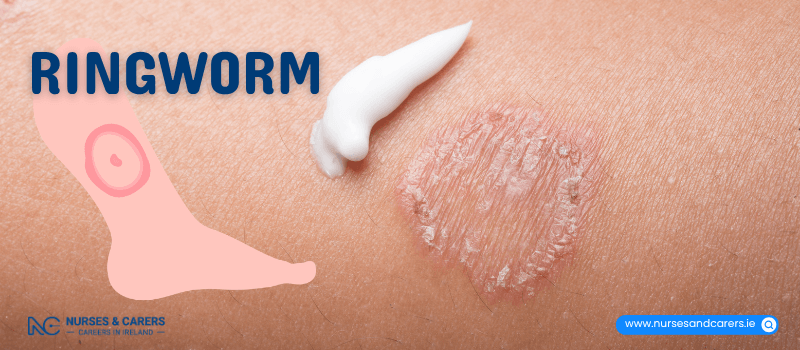
The Rash: It typically appears as a scaly, dry, swollen, or itchy rash.
Shape: It often forms a distinctive ring shape, though it may look patchier or less circular on the face, neck, or scalp.
Skin Tone Differences: The red or silver coloration of the rash is frequently less noticeable on black or brown skin.
Scalp & Face Effects: Ringworm on the scalp or face can cause patchy hair loss.
Note: Not all circular rashes are fungal; conditions like eczema and psoriasis can also cause ring-shaped marks.
Pharmacy Assessment and Treatments
If you suspect you have ringworm, consult a pharmacist first. They can examine the rash and recommend the correct over-the-counter antifungal medicine.
Depending on the location of the infection, treatments are available as:
Creams or Gels: Common options include clotrimazole and terbinafine.
Sprays: Often used for larger areas or hard-to-reach spots like the feet.
Usage Requirement: Antifungal treatments must be applied daily for at least 2 weeks. You must complete the entire duration recommended by your pharmacist, even if the visible rash disappears early.
How Ringworm Spreads
The underlying fungus is highly resilient and spreads easily through close contact with:
Infected humans or animals (such as pets with patches of missing fur).
Contaminated objects, including shared bed sheets, towels, hairbrushes, or clothing.
Infected soil (a less common source of transmission).
Note: Children do not need to stay home from school or nursery once their treatment has officially started, but you should inform their teachers.
Contagion Control: Do's and Don'ts
Do's | Don'ts |
|---|---|
Start antifungal treatment as soon as symptoms appear. | Do not scratch the rash, as this can spread the fungus to other parts of your body. |
Wash towels and bed sheets regularly on a hot cycle. | Do not share personal items like towels, combs, or bedding. |
Wash your hands thoroughly after touching animals or soil. | Do not ignore pet symptoms; take pets with fur loss to a vet. |
Check your own skin daily if you live with an infected person. | Do not stop treatment early just because the skin looks clear. |
When to See a GP
Consult a doctor rather than self-treating if you meet any of the following criteria:
The infection does not improve after 2 weeks of continuous antifungal treatment.
The rash is located on your scalp (scalp ringworm typically requires specialized prescription antifungal tablets and medicated shampoo).
You are pregnant or breastfeeding.
You have a weakened immune system due to conditions like diabetes, or treatments like chemotherapy and steroids.
Disclaimer
The information provided here is for educational and informational purposes only. It does not constitute medical advice, diagnosis, or treatment. Always consult a qualified healthcare professional or your GP for specific medical concerns, diagnoses, or health advice. Never disregard professional medical advice or delay seeking it because of information you have read here.